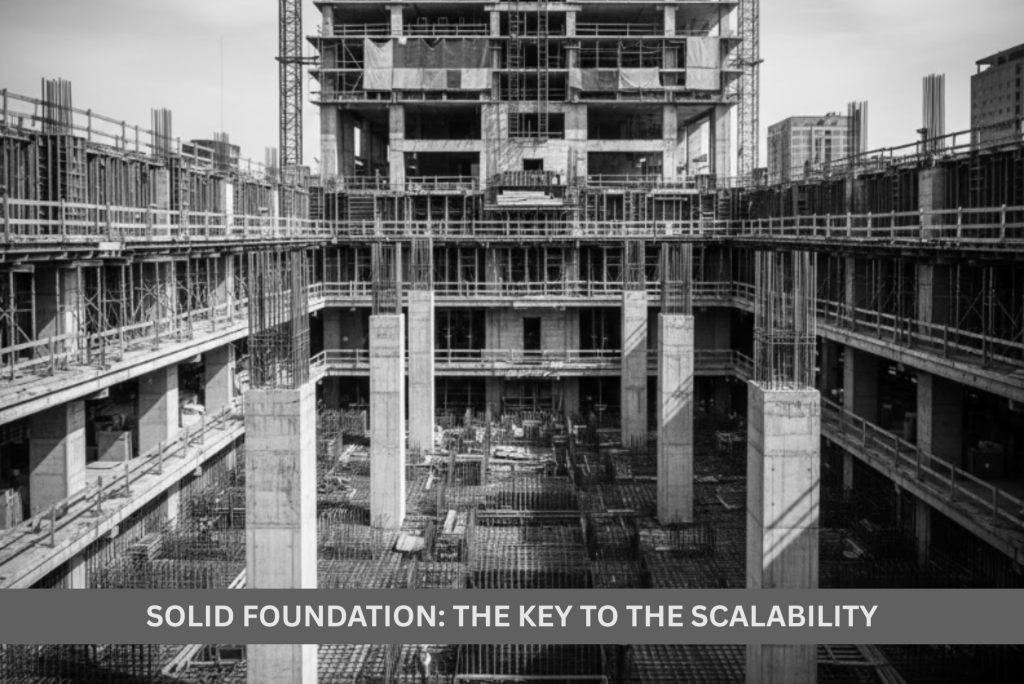

Why Rapid Growth Without Infrastructure Leads to Operational Breakdown, Team Misalignment, and Revenue Instability
There is a dangerous belief circulating through the entrepreneurial world today: that growth at all costs is a sign of success. That if followers increase, sales spike, and opportunities flood in, everything must be working.
But scaling too fast is one of the most common reasons businesses quietly fall apart.
Every week at Legacy Growth Consulting, we speak with founders who think they have a sales problem or a marketing problem. Once we dig into the details, the truth surfaces quickly. Their real problem is structural. Their business was not built to handle the success they are chasing.
Growth without infrastructure is not growth. It is an acceleration toward collapse.
Rapid scaling amplifies everything inside a business.
If your systems, positioning, operations, brand identity, and team alignment are weak, scaling exposes those weaknesses instantly.
The businesses that survive long term are not the ones who grow the fastest. They are the ones who grow the smartest.
The Hidden Warning Signs of Scaling Too Fast
Entrepreneurs often mistake momentum for maturity. When revenue rises, when demand increases, when visibility expands, it feels like validation. But most of the early warning signs of collapse appear during this stage.
The Operational System Starts Breaking
When systems are weak, growth becomes pressure instead of opportunity.
Founders begin to feel trapped in a cycle of reactivity. Deliverables slip. Projects bottleneck. Customer experience becomes inconsistent.
This often matches what we talked about in our recent post: The Founder Bottleneck: How Doing Everything Yourself Is Blocking Your Revenue Ceiling
Without foundational processes in place, growth simply increases the weight on a structure that cannot support it.
Team Members Become Misaligned
When a business grows too quickly without a defined operational framework, communication gaps widen.
Team members are unclear about their roles.
Expectations shift faster than clarity is delivered.
People begin operating on assumptions instead of alignment.
The result is internal friction, inconsistent output, and staff who are busy but not productive.
Expenses Increase Faster Than Revenue
Scaling requires spending. But premature scaling creates financial instability.
Businesses overspend on tools, software, agencies, ads, contractors, or unnecessary hires.
Without a controlled and deliberate growth strategy, expenses outpace revenue.
Fast growth feels exciting, but unmanaged growth empties the bank account faster than founders realize.
The Customer Experience Deteriorates
When demand increases suddenly, quality drops.
Client communication slows.
Support falters.
The once tight, hands-on experience becomes sloppy and rushed.
This is how brands lose loyal customers and damage their long-term reputation.
The Founder Burns Out
The pressure created by premature scaling pushes founders into survival mode.
They work longer hours, make reactive decisions, and put out fires instead of executing strategy.
The business becomes dependent on the founder’s constant presence because nothing runs without them.
This cycle is unsustainable, and burnout becomes inevitable.
Why Growth Without Positioning Is a Recipe for Collapse
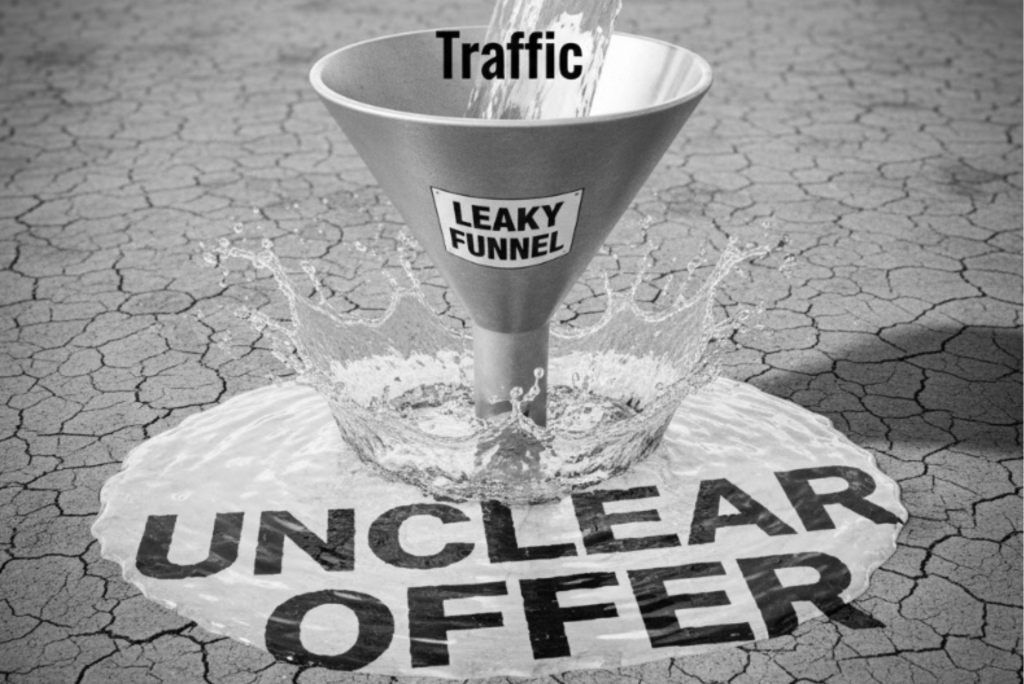
Many founders try to scale before their offer is positioned correctly.
They believe more traffic will fix slow sales, when in reality their offer lacks clarity, differentiation, or psychological depth.
This aligns with our earlier breakdown in:
The Invisible Costs of Poor Positioning: Why Your Offer Isn’t Selling
Scaling an unclear offer only accelerates the rate at which people say no.
Before any business scales, the following must be precise:
• who the offer is for
• why it matters
• why it is different
• how it solves the customer’s pain
• how the brand communicates this value
• how the pricing psychology supports the value
If these are not in place, no system can protect the business from collapse.
The Systems Every Business Needs Before Scaling
Fast growth only works when the internal structure can support it.
Below are the systems we ensure our clients have before they scale.
A Defined Brand Identity
If your visual and verbal brand is inconsistent, confusing, or forgettable, scaling multiplies the confusion.
This is why brand identity remains the first step in our high-touch engagements, outlined in: Why Brand Identity Is the Foundation of Every Successful Business
Brand identity dictates perception.
Perception dictates trust.
Trust dictates revenue.
A Stable Operational Workflow
Every deliverable must have a process.
Every process must have an owner.
Every owner must have guidelines.
Without this, scaling adds complexity the system cannot support.
A Clear Organizational Structure
Roles must be defined before responsibilities expand.
Team members cannot succeed if their leader is unclear about what they do.
A Measurement Framework
Scaling without data is gambling.
Before traffic increases, businesses must track:
• customer acquisition cost
• churn rate
• lifetime value
• conversion rates
• lead quality
• funnel performance
• fulfillment efficiency
Without metrics, founders scale blindly.
A Nurture-Focused Marketing Ecosystem
Traffic only converts when trust already exists.
This is why we built out entire frameworks on permission-based strategies, discussed here:
The Rise of Permission-Based Marketing: Why Consumers Trust Slow Burn Brands
Scaling should occur only after a brand has an ecosystem that nurtures, educates, and converts.
The Paradox: Scaling Too Fast Looks Successful Before It Fails

This is what makes premature scaling so dangerous.
Revenue increases.
Workload increases.
Opportunities increase.
It looks like success.
Until the entire structure starts to crack.
Fast growth does not create stability.
Well-planned growth does.
The businesses that last are the ones who build slowly, strategically, and intentionally, not the ones who chase expansion before they are ready.
How to Scale Safely and Sustainably
Smart scaling requires three things:
• operational readiness
• strategic positioning
• proactive leadership
Here is the framework we use with clients before scaling:
1. Conduct a full operational audit
Identify every bottleneck, inefficiency, and gap.
2. Strengthen the brand identity
Ensure clarity and cohesion across all customer touchpoints.
3. Rebuild the offer positioning
Refine messaging, pricing, differentiation, and psychological triggers.
4. Build a sustainable workflow
Document processes and remove founder dependency.
5. Create a content and visibility strategy
Ensure omnipresence and trust-building happen consistently.
6. Introduce scalable acquisition channels
Paid ads, affiliates, outbound, or partnerships, only once trust is established.
7. Add the right team support
This may include a virtual assistant, operations assistant, or part-time specialist.
Scaling safely is not complicated.
It is deliberate.
Your Business Should Grow Because It Is Ready, Not Because You Are Rushing
At Legacy Growth Consulting, we help founders build businesses that can support real scale.
We have seen the collapse that comes from growing too fast without structure.
We have also seen the powerful momentum that comes when a business is built on solid foundations.
If you are considering scaling, or you feel like you are on the edge of outgrowing your systems, this is the perfect time to get clarity.
Book a Strategy Session or Discovery Call with us: https://legacygrowth.life/strategy-session-and-executive-plan
We will audit your current structure, identify the gaps, and create a roadmap to scale without chaos.



 Legacy Growth Blog
Leave a comment