For years, the funnel was the centerpiece of online marketing.
The model was simple.
At the top, you attract attention.
In the middle, you nurture interest.
At the bottom, you convert buyers.
Traffic in. Customers out.
Funnels promised predictability. And for a long time, they worked.
But something interesting has happened as the internet has matured.
The businesses scaling the fastest today are no longer relying on a single funnel.
They’re building ecosystems.
And the difference between the two is bigger than most people realize.
The Funnel Was Built for Simplicity
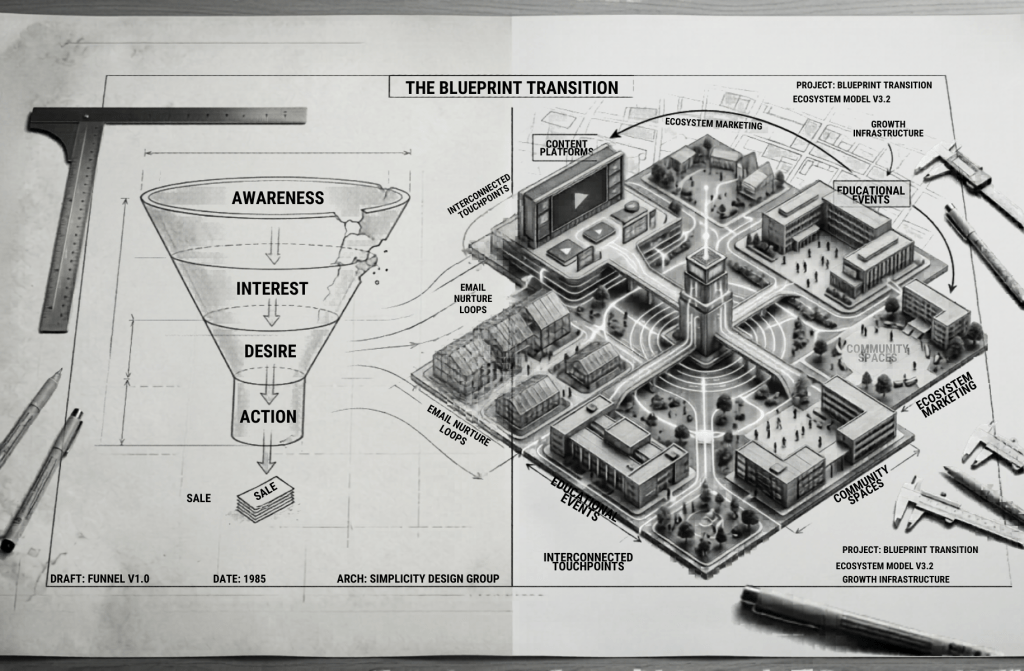
Funnels were designed to simplify marketing.
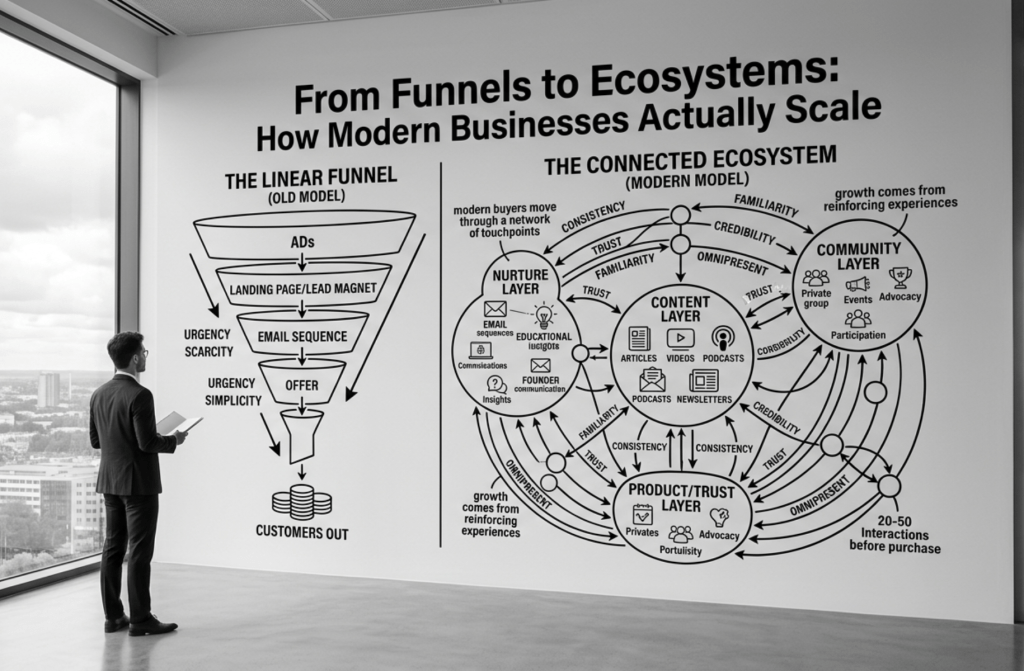
A typical funnel might look like this:
Ad → Landing Page → Lead Magnet → Email Sequence → Offer.
Everything moved in one direction.
The customer journey was linear. Controlled. Predictable.
But modern buyers rarely behave this way.
They don’t discover a brand once and immediately move through a neat sequence of steps.
Instead, they move through a network of touchpoints.
They might:
Read an article.
Listen to a podcast.
Watch a video weeks later.
Follow the founder on social media.
Join a newsletter.
Attend a webinar.
Then eventually buy.
That path doesn’t look like a funnel.
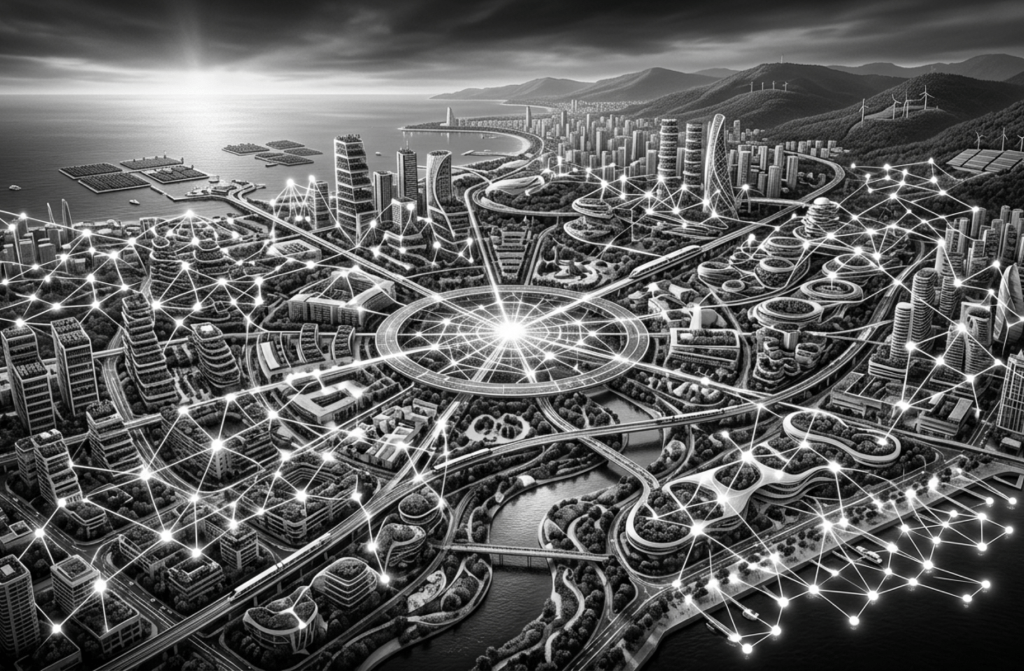
It looks like an ecosystem.
The Reality of Modern Buyer Behavior
Today’s buyers are researchers.
Before making a decision, they explore multiple signals.
They look for evidence that a brand is credible.
They scan content.
They observe consistency.
They watch how the company communicates over time.
In many cases, someone might interact with a brand 20 to 50 times before making a purchase.
This means growth no longer comes from a single conversion path.
It comes from a web of experiences that reinforce each other.
Content supports credibility.
Email nurtures familiarity.
Community creates belonging.
Products reinforce trust.
When these pieces work together, something powerful happens.
The brand begins to feel omnipresent.
Funnels Capture Attention. Ecosystems Sustain It.
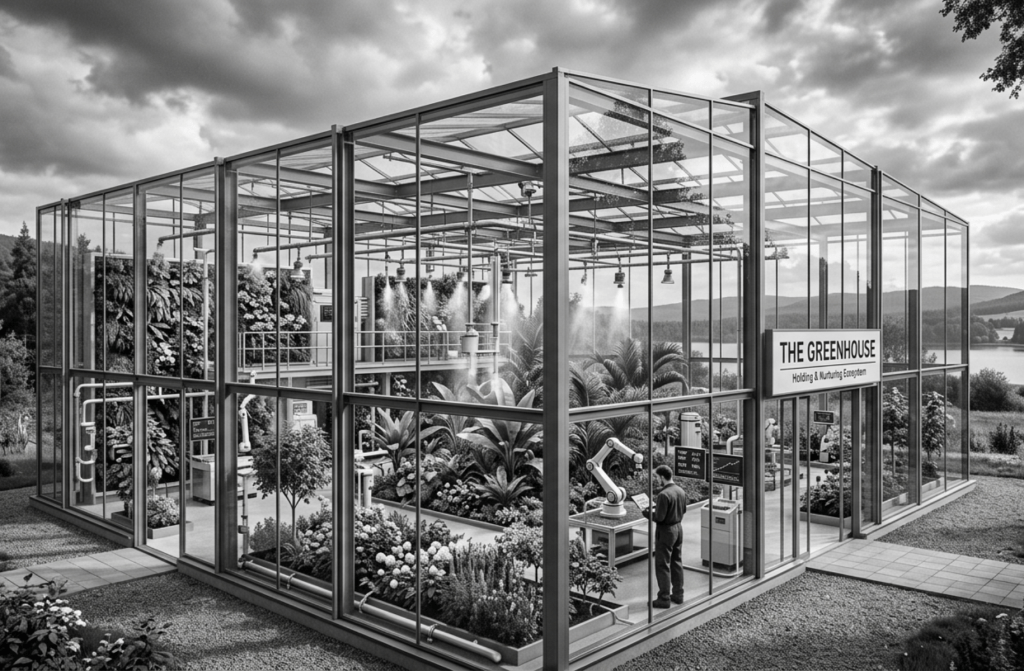
Funnels are designed to capture attention quickly.
Ecosystems are designed to hold attention over time.
That distinction matters.
Funnels often rely on urgency:
Limited offers.
Countdown timers.
Scarcity tactics.
Ecosystems rely on something different:
Consistency.
Instead of pushing for a quick decision, ecosystems create an environment where trust develops naturally.
Content teaches.
Email deepens understanding.
Community builds relationships.
Products solve problems.
Each piece strengthens the others.
The Content Layer
At the center of most modern ecosystems is content.
Not promotional content.
Educational content.
Insightful content.
Perspective-driven content.
This is where audiences first encounter your thinking.
Articles, videos, podcasts, and newsletters allow people to experience how your brand approaches problems.
Over time, this builds familiarity.
And familiarity is one of the strongest drivers of trust.
Content becomes the entry point to the ecosystem.
The Nurture Layer
Once someone enters the ecosystem, nurture systems keep the relationship alive.
This often includes:
Email newsletters
Educational sequences
Retargeting content
Long-form insights
Founder communication
The goal isn’t constant selling.
It’s continued relevance.
When nurture systems are working well, people feel like they’re learning alongside the brand.
That relationship dramatically increases the likelihood of conversion later.
The Community Layer
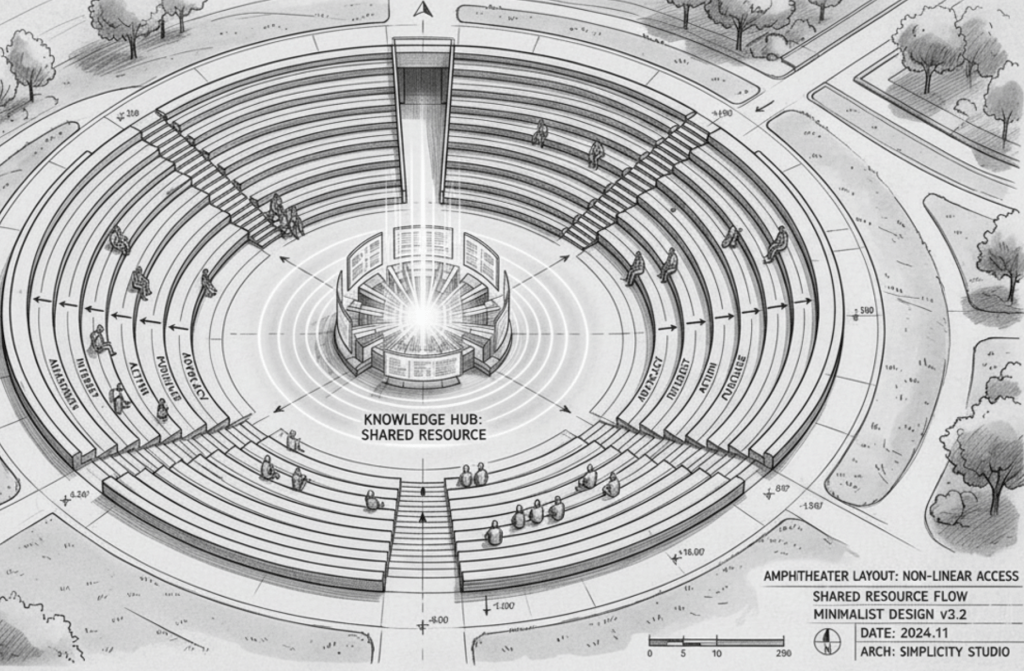
The strongest ecosystems eventually add something even more powerful.
Community.
Community doesn’t always mean a private group or membership platform.
Sometimes it simply means an audience that interacts regularly.
People who:
Reply to newsletters.
Comment on posts.
Share content with others.
Attend events.
Introduce friends to the brand.
At this point, marketing stops feeling like broadcasting.
It starts feeling like participation.
And participation is what turns audiences into advocates.
Why Ecosystems Scale Better
Funnels can generate quick wins.
But they often require constant input.
More ads.
More campaigns.
More promotions.
Ecosystems behave differently.
Because each layer strengthens the others, growth becomes more durable.
Content attracts new audiences.
Nurture builds familiarity.
Community creates advocacy.
Products deliver results.
Each piece reinforces the brand’s credibility.
Over time, the system becomes self-reinforcing.
The Shift Smart Businesses Are Making
The most forward-thinking companies are no longer asking:
“How do we optimize this funnel?”
They’re asking a different question.
“How do we design an ecosystem people want to stay inside?”
This shift changes how marketing is approached.
Instead of isolated campaigns, businesses build interconnected experiences.
Instead of chasing quick conversions, they build trust over time.
Instead of relying solely on traffic, they cultivate relationships.
And relationships are what sustain growth.
Final Thought
Funnels were built for a simpler internet.
An internet where discovery was limited and competition was smaller.
Today’s environment is far more complex.
Customers interact with brands across dozens of touchpoints before making decisions.
Which means growth no longer comes from one path.
It comes from a network of trust-building experiences.
The businesses that scale the fastest understand this.
They don’t just build funnels.
They build ecosystems.

Book Your Discovery Call
Most businesses do not struggle because they lack marketing tools.
They struggle because their growth systems were never designed to build trust and authority at scale.
At Legacy Growth, we don’t sell hacks. We build durable growth infrastructure.
If you want your time back, your energy back, and your growth back, let’s talk.
➡️ Book a strategy call with LegacyGrowth.life
We’ll audit your current work structure, show you exactly what to delegate, and help you build a VA system that compounds.
No gimmicks. Just execution that actually works.

 Legacy Growth Blog
Leave a comment