
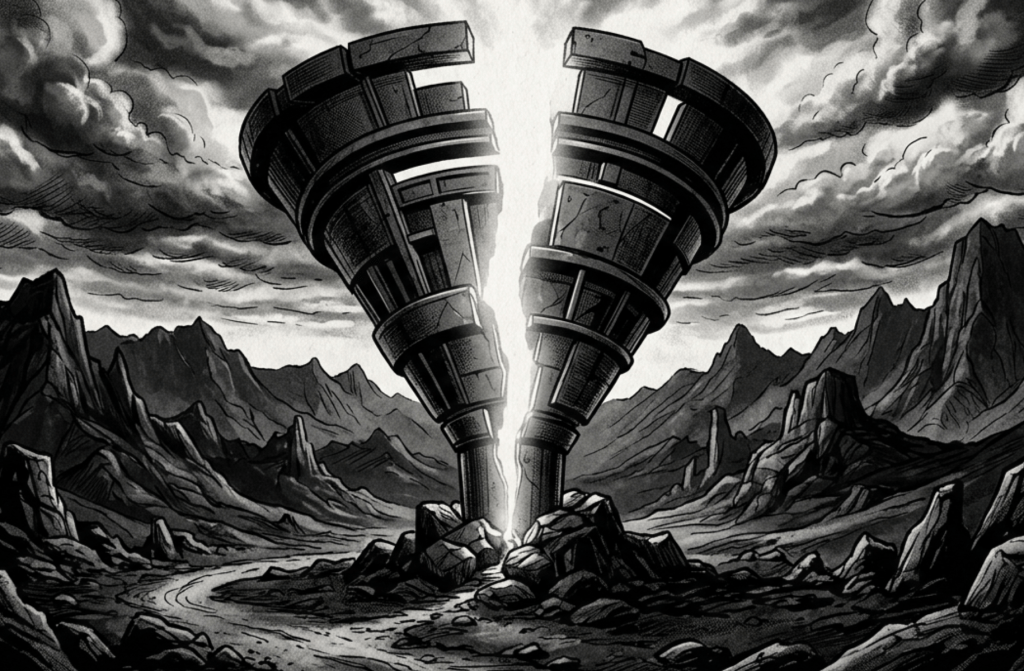
You have a funnel. You spent real time building it. Maybe you hired someone, watched tutorials, studied the framework. It looks the part. People are coming in. And then they are not buying. So you start the loop: new headline, different button color, tweaked price point, new testimonial placement. Nothing changes much. You conclude the funnel is broken.
But most funnels that are not converting are not broken in any technical sense. The copy loads. The form works. The thank-you page fires. What is broken is something less visible and more fundamental. Somewhere in that funnel, the prospect stopped trusting you. And you never noticed, because the platform does not tell you where trust falls apart.
What a Trust Gap Actually Is
A trust gap is the distance between where your prospect currently is emotionally and where your funnel assumes they are. When that distance is too large, people disengage. Not because they are not interested. Not because the offer is wrong. Because they are not ready to take the next step with someone they do not fully trust yet.
Most funnel builders build for the buyer who is already warm. They write copy that assumes the reader is sold on the category, sold on the approach, and just evaluating the specific offer. But most people entering a funnel at the top are not there yet. They are skeptical, distracted, and carrying past experiences with people who overpromised and underdelivered.
When you skip the trust-building steps, which most funnels do because they are expensive to build and slow the conversion timeline, you are pushing people toward a decision they are not ready to make. The result is not an angry prospect who tells you no. It is a disengaged prospect who drifts away without explanation.
Understanding this starts with understanding the psychology behind why people trust any brand online. We have covered that framework in The Psychology of Trust: What Makes a Stranger Believe Your Brand Online. The short version: trust is not given, it is earned in sequence. And a funnel that tries to skip that sequence will lose people at every stage.
The Trust Gap at the Awareness Stage
The top of your funnel is doing two jobs at once. It is introducing you to a stranger and asking that stranger to take an action. Both of those things are happening simultaneously, which means you have very little time to establish enough credibility to earn any behavior at all.
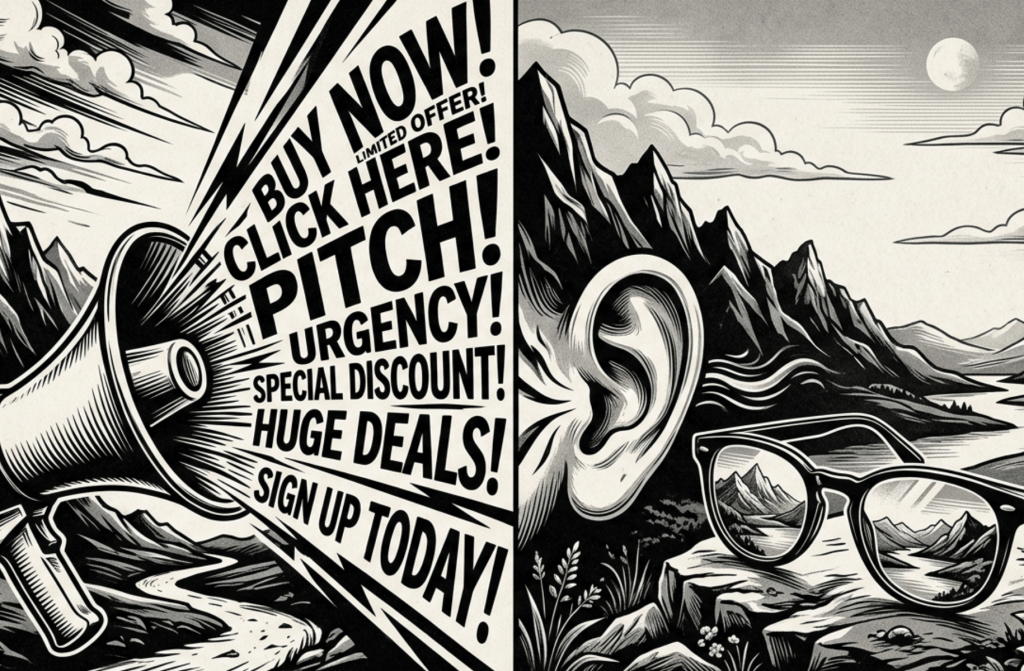
The trust gap at this stage usually looks like one of two things. Either the entry point is too transactional, meaning the first thing someone sees is an offer before they have any reason to care, or the entry point is too vague, full of language about transformation and results without the specificity that makes people feel like you actually understand their problem.
Strangers do not buy into promises. They buy into evidence that you know their situation well enough to have something real to offer. That means the top of your funnel should open with a description of the problem, not the solution. It should make the reader feel seen before it makes them feel sold. A headline that reflects exactly what your prospect is experiencing right now does more trust work than any benefit statement you can write.
The question to ask about your awareness content is this: when someone reads it, do they feel understood, or do they feel pitched?
The Trust Gap at the Consideration Stage
Somewhere in the middle of your funnel, the prospect is evaluating. They like what they have seen. They have stayed long enough to read the detail. Now they are asking the question that almost never gets answered directly: why should I trust that this will work for me specifically?
This is where most funnels go wrong, and they go wrong by defaulting to social proof. Testimonials. Case studies. Numbers. These are useful, but they only address one dimension of trust. They tell the prospect that it worked for someone. They do not tell the prospect that it will work for them, given their situation, their industry, their level of experience, or their specific constraints.
The trust gap at the consideration stage closes when you demonstrate that you understand the nuances. When your copy anticipates the objections, acknowledges the real hesitations, and speaks to the specific fears of the person you are trying to serve. Generic testimonials from generic outcomes do not close this gap. A case study that is specific about the starting point, the obstacles, and the outcome does. Content that addresses the “but what about my situation” voice does.
We covered the structural role of narrative in market perception in Narrative Strategy: How the Right Story Shapes Market Perception. The middle of your funnel is where that story does its heaviest lifting.
The Trust Gap at the Decision Stage
This is the stage most funnel builders spend all their time optimizing, and it is rarely where the real problem is. The offer is positioned. The price is visible. There is a button. Something is keeping people from clicking it.
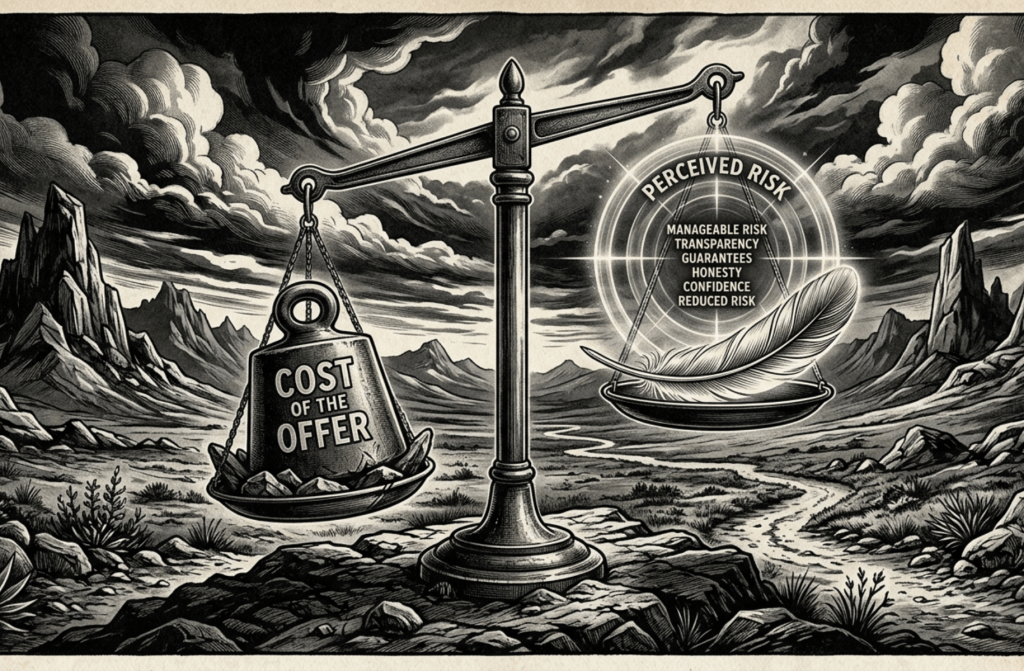
The trust gap at the decision stage is almost always about perceived risk. The prospect believes the offer might be right for them, but they are not confident enough to absorb the cost of being wrong. Whether the cost is money, time, or reputation, their brain is running a risk calculation. If that calculation does not come out in your favor, they leave.
Closing the trust gap at this stage is not about removing the price or adding a discount. Those tactics can move short-term numbers while making long-term trust problems worse. What actually closes it is making the risk feel manageable. A clear, honest guarantee. A simple answer to what happens if this is not the right fit. Specificity about exactly what they are getting and what they are not. Transparency about the process, the timeline, and the expectations.
People do not buy when they feel confident about the outcome. They buy when they feel confident that the risk is under control. There is a meaningful difference.
The Trust Gap No One Talks About: After the Click
There is a stage of the funnel that most marketers ignore completely: the period between when someone expresses interest and when they commit. This is the gap between a discovery call booked and a contract signed. Between a lead magnet downloaded and a conversation started. Between someone saying “I’m interested” and someone saying “I’m in.”
This window is where most service business deals die, and it dies because the trust building stops. The lead took an action, which feels like a milestone, so the follow-up drops in intensity. The communication gets transactional. Scheduling logistics replace relationship building. And the prospect, who is still evaluating, encounters nothing that advances their confidence.
The businesses that close at the highest rates are the ones that treat this gap as a trust-building opportunity rather than an administrative task. The confirmation email is a chance to reinforce the decision. The pre-call sequence is a chance to set expectations and demonstrate expertise. Even the simple act of sending relevant content during the days between interest and commitment signals that you are paying attention.
We have written about how this connects to the larger retention conversation in Retention Over Acquisition: Why Your Existing Audience Is Your Untapped Goldmine. The principle applies earlier in the funnel than most people think. Trust built at the consideration stage is what drives retention after the close.
Building a Funnel That Earns Trust Instead of Extracting Urgency
There is a version of funnel strategy built entirely on pressure. Countdown timers. Limited spots. Hard closes. Manufactured scarcity. It works in the short term, and it erodes the trust that would have generated referrals, retained clients, and built a reputation over time.
There is a better version. It builds trust at every stage. The top of the funnel opens with empathy and specificity. The middle closes objections with evidence and nuance. The decision stage reduces risk through transparency. The post-interest window deepens confidence through consistent, relevant communication. And throughout all of it, the prospect feels like they are being guided rather than pushed.
This kind of funnel takes longer to build. It requires real understanding of your prospect’s psychology, real content at each stage, and a backend system that can execute the sequencing. Which is exactly the kind of work we do.

At Legacy Growth, we build funnels the way we would want to be sold to: with real information, at a reasonable pace, without pressure tactics. If your funnel is not converting and you want to know where the trust gap actually is, email us at hi@legacygrowth.life or visit legacygrowth.life. We will take a look at what you have and tell you what needs to change.






Leave a Reply